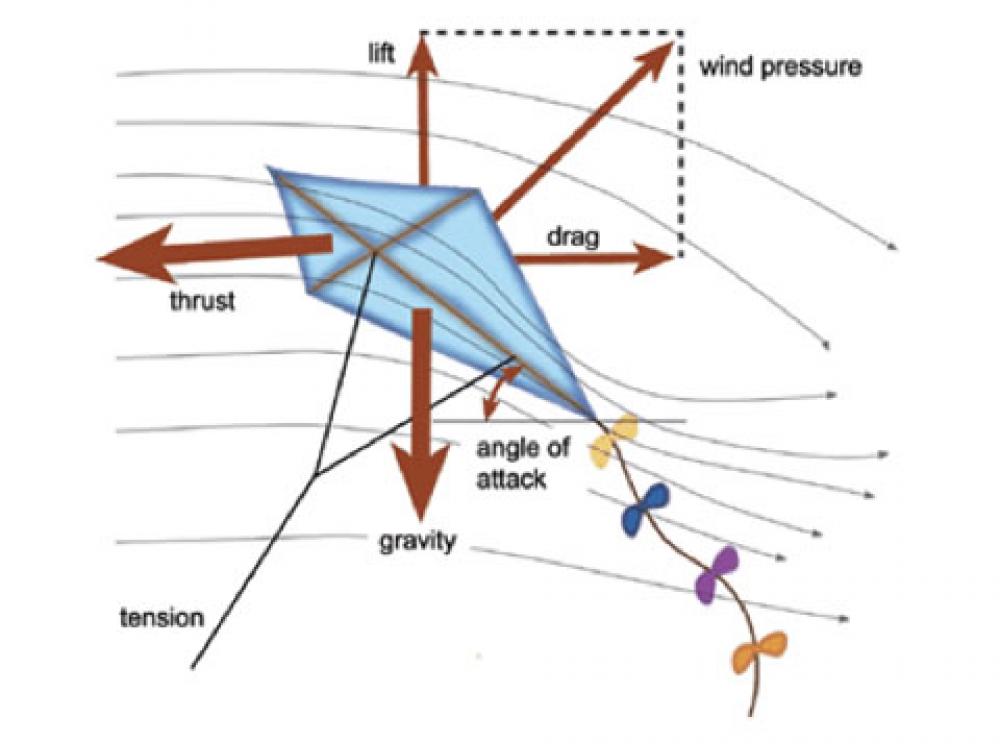
Forces of flight with Kites
Force
|
Increase / decrease
|
How do we do this when making a kite?
|
Drag
| Decrease | We need to make sure it is pointed. We need to make sure it is angled correctly to the wind. |
Lift
| Increase | Longer string, Face into wind. |
Gravity
| Decrease | We make it streamline, And light material. |
Thrust
| Increase | Strong and steady wind. |
Write a definition about the following types of kites and find a picture of them that you can upload to your blog.
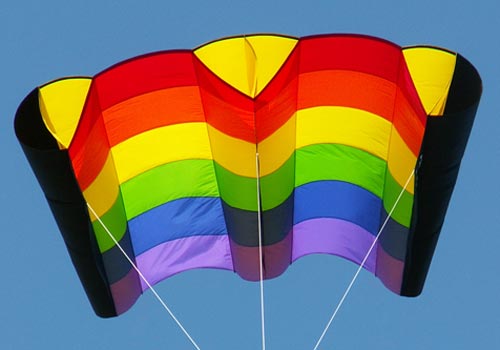
1.The Sled Kite =A Sled kite with inflatable spars is probably seen more now than the traditional 2-stick variety
2. The Diamond Kite = In terms of the structural design of Diamond kites, there's not much to say. It just hasn't changed much for centuries! But very broadly speaking, these kites have seen 3 phases over time.

3.The Barn Door Kite = Since Barn Door kites can flat or bowed, and made with a range of quite different proportions, there is considerable variation in their stability in the air.
4.The Sode Kite =The Sode kite, or Sode Dako as it's known in Japan, is also known as the Kimono kite. 'Sode' actually means 'sleeve of a kimono'.

5. The Delta Kite = Small Deltas from retail outlets or kite shops are a popular choice for kids!

Name 5 types of kites that were used in China?
Name sports that use kites?

No comments:
Post a Comment
To support my learning I ask you to comment as follows:
1. Something positive - something you like about what I have shared.
2. Something helpful - add more info or ask me a question.
3. Something thoughtful - how have you connected with my learning?
Note: only a member of this blog may post a comment.